LG Washer Not Draining? Here's What to Check Before Calling a Tech
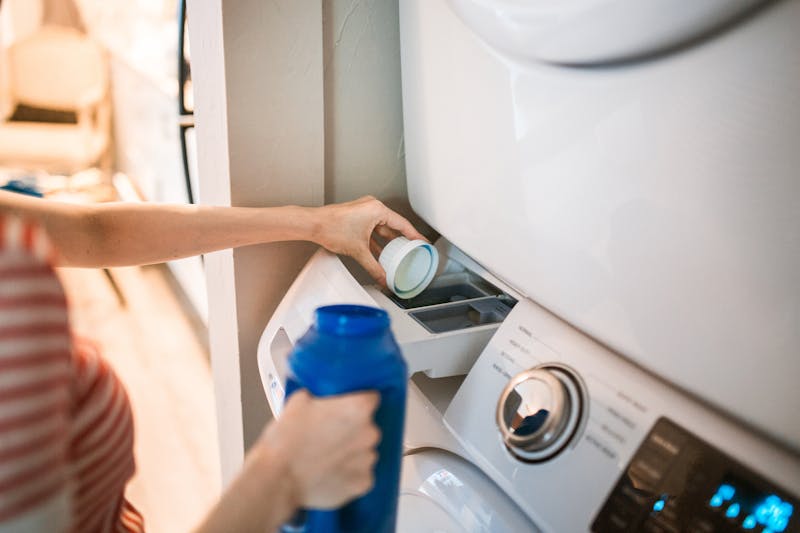
Your LG washer finished the wash cycle, but there's still water sitting in the drum. Maybe it's showing the OE error code on the display. Either way, you've got a washer full of water and wet clothes with nowhere to go.
Before you panic, here's the good news: the most common cause of an LG front-load washer not draining is a clogged drain filter — and you can clean it yourself in about 10 minutes. I'm going to walk you through exactly how to do it, because this is one of those things every LG owner should know.
The OE Error Code
If you see "OE" on your LG washer's display, that stands for "drain error." The washer is telling you it tried to pump the water out and couldn't. This could be a clogged filter, a blocked drain hose, or a bad drain pump — but let's start with the most likely and easiest fix first.
Step-by-Step: Cleaning the Drain Filter (Front-Load LG Washers)
⚠️ Heads up: If your washer is full of water, that water is going to come out when you open the filter. Have towels ready — lots of them. I mean it. I've flooded more laundry rooms doing this than I'd like to admit.
Step 1: Locate the Access Panel
On most LG front-load washers, there's a small rectangular access panel on the bottom-left front of the machine. It either pops off with a flathead screwdriver or has a small tab you push to release it. Some models have a round twist-off cover instead of a panel.
Step 2: Pull the Drain Hose First
Behind the access panel, you'll see two things: a small black rubber drain hose with a cap, and a larger round drain filter. Pull the small drain hose out first and point it into a shallow pan or towel. Remove the cap, and water will start trickling out slowly. This lets you drain the water in a controlled way instead of having it gush out when you open the filter.
Be patient — it takes a few minutes to drain through this small hose. If the washer is completely full, you might need to empty the pan and come back a few times.
Step 3: Unscrew the Drain Filter
Once most of the water has drained through the hose, put a towel underneath the filter area. Turn the drain filter counter-clockwise and slowly pull it out. Some residual water will come out — that's normal. Go slow.
Step 4: Clean the Filter
Now look at the filter. This is where it gets interesting — and a little gross.
I've been doing this for years, and the stuff I find in LG drain filters would blow your mind. The greatest hits include:
- Coins — pennies and dimes are the most common. I once pulled out $3.47 in change from a single filter.
- Hair ties — easily the #1 item I find. If you have daughters, you know.
- Bobby pins — they rust and create a nasty sludge.
- Socks — baby socks especially. They slip through the gap between the drum and the rubber gasket.
- Lint and hair buildup — a thick, wet mat of lint, hair, and fabric fibers that basically forms a plug.
- Dog hair — if you wash pet blankets, the hair accumulates here fast.
Clean all the debris off the filter. Rinse it under running water. Also look inside the filter housing (the hole where the filter was) and clean out any debris in there too. You can use a small brush or even a toothbrush.
Step 5: Reinstall Everything
Push the filter back in and turn it clockwise until it's snug. Don't overtighten — it just needs to be hand-tight. Replace the drain hose cap, tuck the hose back in, and snap the access panel back on.
Run a quick drain cycle to make sure everything is flowing properly. If it drains, you're done.
Maintenance tip: Clean this filter every 1-2 months. It takes two minutes once you know how, and it prevents drain problems before they start. Mark it on your calendar.
Important: LG Top-Loaders Are Different
If you have an LG top-load washer, it does NOT have an accessible drain filter on the front like the front-loaders do. On LG top-load models, getting to the drain filter (if there is one) requires accessing the back of the machine and partially disassembling it. This isn't really a DIY job for most homeowners.
If your LG top-loader isn't draining, check for kinks in the drain hose first. If the hose looks fine, you'll likely need a technician to access the drain pump and filter from the back.
What If the Filter Is Clean but It Still Won't Drain?
If you cleaned the filter and the washer still won't drain, here's what to check next:
Check the Drain Hose
The main drain hose that goes from the washer to the standpipe or utility sink can get clogged too. Pull it off (have towels ready) and check for blockages. Also make sure the hose isn't kinked behind the machine.
Check the Standpipe
The standpipe (the pipe in the wall where the drain hose goes) can get clogged with lint and soap buildup over time. If the washer drains when you put the hose in a bucket but not into the standpipe, the pipe itself is blocked and may need to be snaked out.
The Drain Pump Motor
If the filter is clean, the hose is clear, and the standpipe is fine, the drain pump motor itself is probably failing. You might hear it humming but not actually pumping, or it might be completely silent when it should be running. A bad drain pump is a common LG repair — the pump motor wears out over time, especially if debris has been grinding through it for a while.
This is the point where you need a tech. Replacing the drain pump involves accessing the bottom of the machine, disconnecting hoses, and swapping the motor assembly. It's a straightforward repair for us, but not really a DIY job.
Ready to Get It Fixed?
We work on LG washers all the time — they're one of the most popular brands here in Utah. Whether it's a clogged filter, a bad drain pump, or something else entirely, we'll diagnose it and get your washer running again.
LG Washer Still Not Draining?
We'll get to the bottom of it. Fast, honest service across West Valley City, Salt Lake City & nearby cities.