Timed Dry vs. Automatic Dry: The Setting That's Costing You Money
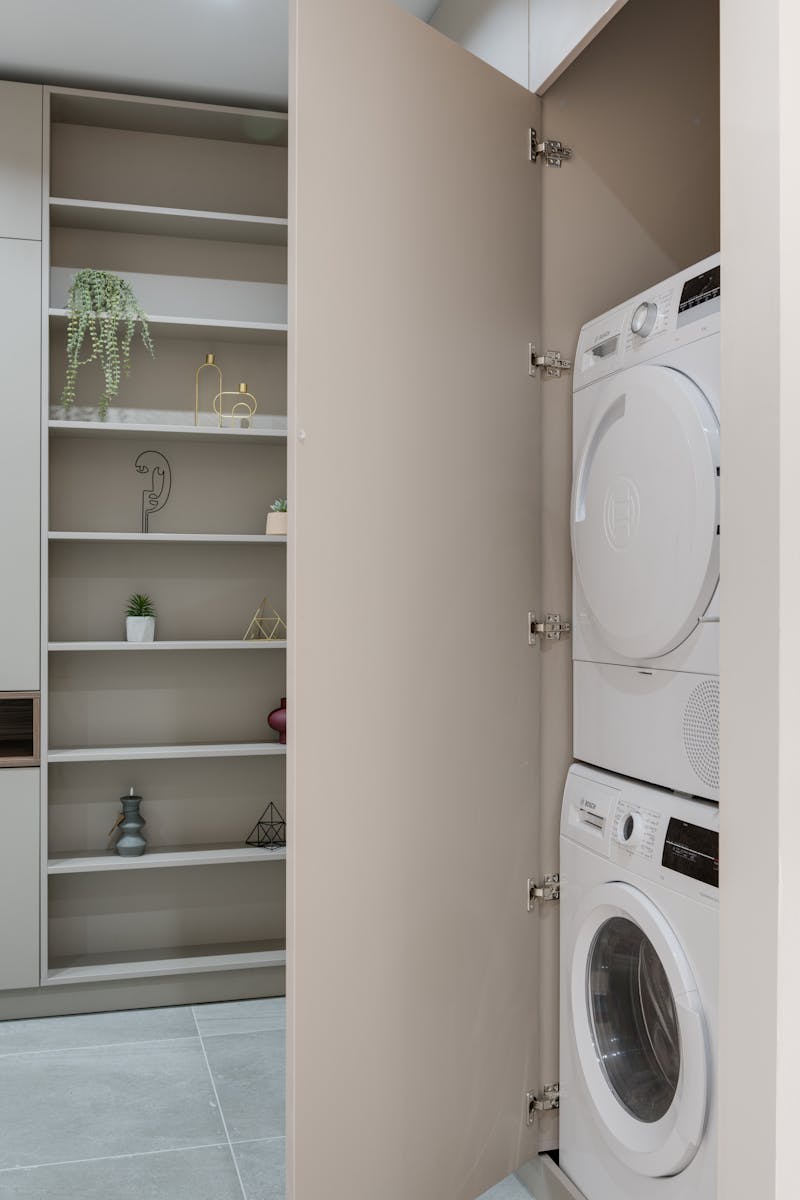
Here's something I wish more people knew: most dryer owners use the wrong setting every single time they run a load. They throw the clothes in, hit "Timed Dry" for 60 minutes, and walk away. And every time, they're either overdrying their clothes (wasting energy and beating up the fabric) or pulling them out still damp because the timer ran out before a heavy load had a chance to dry.
Your dryer has a better option, and it's been sitting right there on the dial this whole time: Automatic Dry (also called Sensor Dry on some brands). Let me explain how it works and why it's almost always the better choice.
How Automatic/Sensor Dry Actually Works
Inside every modern dryer drum, there are two small metal bars — usually near the front, where clothes tumble past them. These are moisture sensor bars. When damp clothes touch both bars at the same time, they complete a small electrical circuit because water conducts electricity. The control board reads this signal and knows the clothes are still wet.
As the clothes dry, fewer and fewer passes over the sensor bars complete the circuit. Eventually, the sensor reads "dry" consistently, and the dryer moves into a cool-down phase and shuts off. That's it. The dryer is literally measuring how wet your clothes are in real time and stopping when they're actually done.
When you select "More Dry," "Normal Dry," or "Less Dry" within the automatic cycle, you're telling the dryer how many consecutive dry readings it needs before it stops. "More Dry" means it waits longer to be really sure. "Less Dry" means it stops sooner — useful for stuff you're going to hang up or iron while slightly damp.
Why Timed Dry Is Worse (In Most Cases)
Timed dry is dumb — and I mean that literally. It has no idea whether your clothes are dry. It runs the heater for the amount of time you set, period. Here's why that's a problem:
Overdrying Wastes Energy and Ruins Clothes
If you set 60 minutes but the load was dry in 40, you just ran the heater for 20 extra minutes for nothing. That's like leaving your oven on after the food is done. Over time, this adds up to real money on your electric bill.
Even worse, overdrying is hard on your clothes. That static cling you hate? That's overdrying. Fabric gets damaged by excessive heat — think about how stiff and crunchy a towel gets when you blast it too long. Cotton fibers literally shrink and become brittle with repeated overdrying. Your clothes wear out faster.
Underdrying Means Running the Dryer Again
On the flip side, if you set 45 minutes for a heavy load of towels, they're going to come out damp. So you run it again for another 20-30 minutes. Now you've run the dryer for over an hour when sensor dry would have just... kept going until the towels were actually dry, then stopped on its own.
The Dryer Sheet Problem Nobody Talks About
Here's a dirty little secret of the appliance world: dryer sheets are sabotaging your sensor dry cycle.
Dryer sheets work by depositing a thin waxy film on your clothes — that's what makes them feel soft and reduces static. The problem is that same waxy residue builds up on the moisture sensor bars over time. When the sensors are coated, they can't detect moisture properly. The dryer "thinks" the clothes are dry when they're still damp, and it shuts off way too early.
This is one of the most common complaints I hear: "My dryer stops too soon on auto dry, but timed dry works fine." Nine times out of ten, the sensors are coated with dryer sheet residue.
Easy fix: Wipe down the sensor bars with rubbing alcohol and a soft cloth every month or two. The bars are usually two thin metal strips inside the drum, near the lint filter opening. A quick wipe removes the buildup and sensor dry works like new again.
When to Actually Use Timed Dry
Timed dry isn't useless — there are specific situations where it makes sense:
- Bulky items like comforters or pillows. These items don't tumble well and might not make consistent contact with the sensors. Timed dry on low heat with periodic checking is better.
- Single items. Drying one small item? It might not contact the sensors enough for an accurate reading. Use timed dry on low for 15-20 minutes.
- Shoes or non-fabric items. Anything that isn't wet fabric won't register properly on moisture sensors. Use timed dry.
- If your sensors are damaged or unreliable. If auto dry consistently gives bad results even after cleaning the sensors, there may be a wiring or sensor issue. Use timed dry until you can get it looked at.
How to Get the Best Results from Sensor Dry
If you switch to sensor dry (and you should), here are some tips to make it work perfectly:
- Clean the sensor bars regularly. Rubbing alcohol on a soft cloth, once a month. Takes 30 seconds.
- Clean the lint filter every load. A clogged filter restricts airflow, which means longer dry times and inconsistent sensor readings. You should be doing this anyway.
- Don't mix heavy and light items. Jeans and lightweight shirts don't dry at the same rate. The sensor will read the lighter stuff as dry and stop, while the heavy stuff is still damp. Separate loads by weight when possible.
- Don't overstuff the dryer. Clothes need to tumble freely to pass over the sensors. If the dryer is packed, the sensors don't get consistent readings.
- Consider ditching dryer sheets. Wool dryer balls do the same job (reduce static, soften clothes) without leaving residue on your sensors — or your clothes. They're reusable for years. It's what I use at home.
What If Your Dryer Isn't Drying on Any Setting?
If you've switched to sensor dry, cleaned the sensor bars, and your clothes still aren't getting dry, the problem likely isn't the setting — it's the dryer itself. Common culprits include a clogged exhaust vent, a failing heating element, or a bad thermistor. Check out our dryer repair page for more info, or read our guide on Samsung dryer heating issues.
Dryer Not Drying No Matter What Setting?
We'll figure out what's wrong and get it running right. Serving all of West Valley City, Salt Lake City & nearby cities.